
Why South Korea Is One of the World's Best Sources for Used Cars
Published Jul 2, 2026 · Updated Jul 16, 2026 · 4 min read
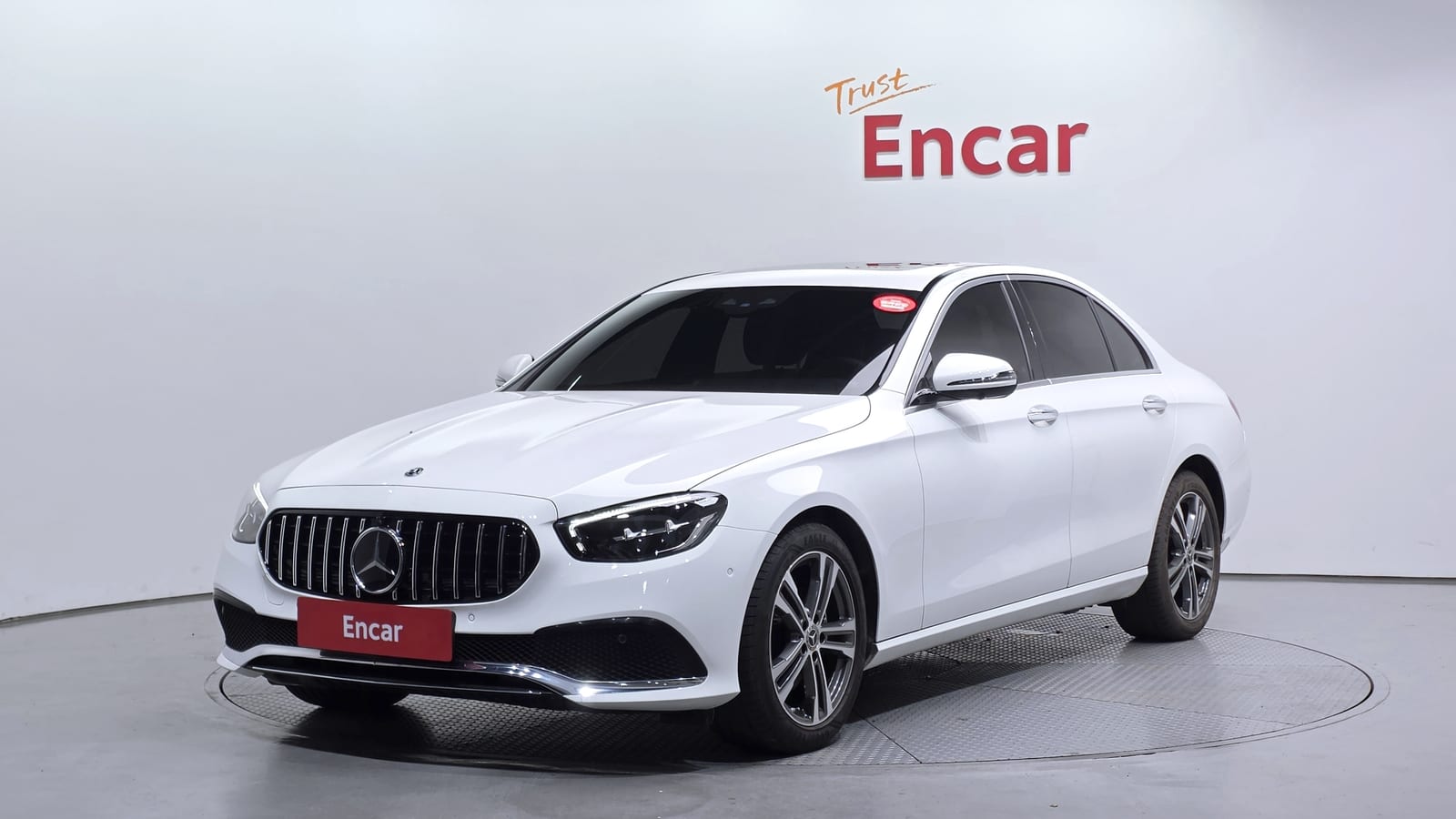
Illustrative opening - a composite scenario, not a real named buyer or transaction.
Tomás kept seeing the same pattern in his neighborhood back home in Chile - more and more Korean-brand cars parked on his street every year, replacing what used to be a mix of Japanese and European names. He'd assumed it was a local trend until he looked into it and realized it was happening across a dozen countries at once, all pulling from the same source.
There's a real reason so many export markets have converged on Korea specifically.
Direct answer
Korea has become one of the world's largest used-car export sources due to a combination of Hyundai/Kia's global manufacturing scale, a domestic used-car sale process that includes a standardized official condition-inspection record most markets don't have, and genuinely large, still-growing trade volume - Korea exported an estimated ~639,000 used vehicles in 2023 (+36% versus 2021), with export value reaching roughly $8.4B in the Jan–Nov 2024 period (+82.6% year-on-year).
Key facts
Updated July 2026- ~639,000 used vehicles exported from Korea in 2023, up roughly +36% versus 2021. (Sourced: KED Global/Statista reporting on Korea vehicle export trade data; ordinal scale solid, exact figures are secondary-reporting estimates.)
- Export value ~$8.4B for Jan–Nov 2024, up roughly +82.6% year-on-year. (Same sourcing basis - confirm current-year totals if the precise figure matters to your decision.)
- Hyundai Motor Group (Hyundai + Kia + Genesis) is among the world's largest automotive manufacturing groups by production volume, giving the export market deep model and parts availability.
- Korea's domestic used-car sale process includes a standardized official vehicle performance & condition inspection record, reproduced (by us, unaltered) alongside every listing - a level of standardized condition disclosure many source markets don't offer at all.
Manufacturing scale means real choice and real parts availability
Hyundai and Kia (with Genesis as the newer premium tier) build at a scale few manufacturers match, which means the export used-car pool isn't a narrow niche - it spans compact sedans, mid-size and large SUVs, hybrids, and a luxury tier, with parts and service knowledge that travel reasonably well internationally given how widely these brands are already sold new in most of our target markets.
A standardized condition-disclosure culture most source markets don't have
This is the part that's easy to undersell. Korea's used-car sale process includes an official performance & condition inspection record - disclosing accident history, panel condition, and mechanical self-diagnosis results - as a standard part of the sale, not an optional add-on some sellers skip. Reproducing that record, unaltered, is the single biggest reason we can make specific, checkable claims about a car's condition instead of just a seller's summary. See our companion guide on reading that record for exactly what it discloses.
The trade data backs the trend, not just the anecdote
The volume and value figures above aren't a marginal blip - they represent a real, accelerating shift in where used-car export buyers are sourcing from, concentrated heavily in markets that need left-hand-drive vehicles (which Korean domestic cars are, by default) and that value a standardized condition record. Our own target markets - Albania, the Gulf, Latin America, Central Asia - sit almost exactly on top of where this real trade growth is happening.
FAQ
Is Korea actually a bigger used-car export source than Japan?
Both are large, well-established sources with different strengths (Japan skews RHD-heavy for its own historical export markets; Korea is LHD by default, matching a different set of destination markets, including ours). See our Korea-vs-Japan comparison for the specifics relevant to your country.
Does "used-car export boom" mean the cars are lower quality?
No - export volume reflects demand and pricing dynamics, not vehicle quality. Condition still needs to be verified per car via the inspection record, regardless of overall trade volume.
Are these trade figures still accurate?
They're dated to 2023–2024 reporting as cited above; trade volume in this space has continued growing but exact current-year figures should be checked against the latest published trade data if precision matters to your decision.
Where can I see the full breakdown of what's driving this trend?
See our companion data piece, Korea's Used-Car Export Boom: The Numbers, for the fuller picture including destination-market breakdown.
Curious what this looks like on a specific car? Browse current inventory or message us on WhatsApp with a model you're considering.
See it for yourself, on a real car
Every listing on our site includes Korea's official inspection record, reproduced unaltered.
Browse current inventoryRelated guides
How to Read a Korean Vehicle Inspection Report (성능·상태점검기록부): The Complete Guide
Korea's official vehicle inspection record explained field by field - what it covers, what "not recorded" means, and how we show it on every listing.
5 min read · Jul 1, 2026
Korea's Used-Car Export Boom, 2023–2026: The Numbers Behind the Trend
Korea exported roughly 639,000 used vehicles in 2023, and export value hit ~$8.4B by late 2024 - the real trade data behind the boom, sourced and dated.
4 min read · Jul 5, 2026